
The Thrill of Risk: Why Gamblers are Drawn to High-Stakes Betting
The allure of high-stakes casino betting is deeply rooted in the human psyche. Players are often attracted by the adrenaline rush that comes with risking large sums of money. This thrill can lead to a heightened state of excitement, offering a temporary escape from the monotony of everyday life. For many, the anticipation of a big win can trigger powerful emotions, creating a euphoric environment that keeps them returning to the casino. Interestingly, some players prefer engaging in activities like casino not on gamstop to further enhance their gaming experiences.
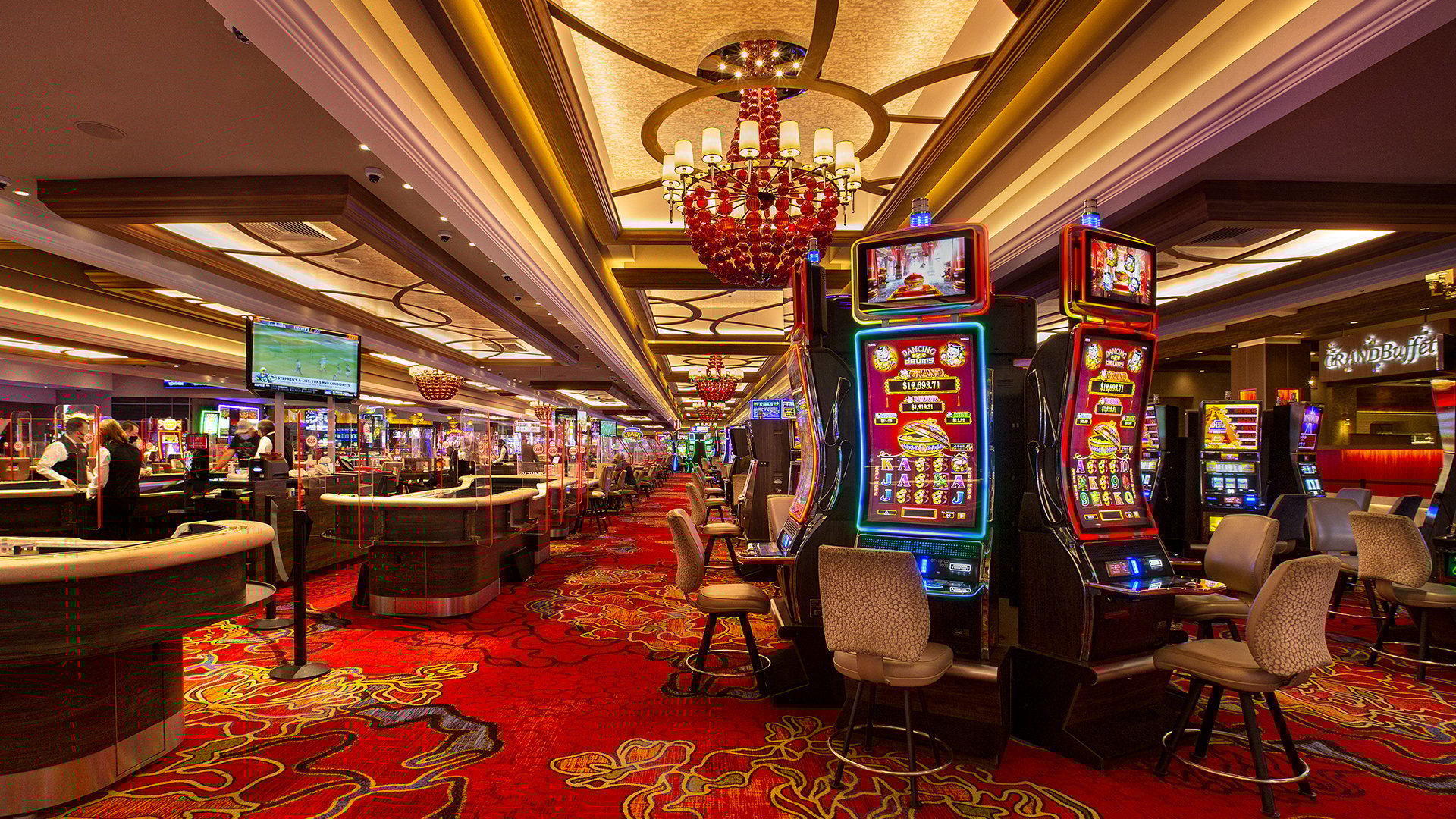
Moreover, the psychology behind high-stakes gambling often involves a desire for control and the illusion of skill. Players may believe that they can influence the outcome of games through strategy, despite games of chance fundamentally being beyond their control. This belief can skew their perception of risk, leading them to gamble larger amounts in pursuit of the next big win.
The Role of Social Interaction in Casino Environments
Casinos are not just places for solitary betting; they are social hubs where individuals can interact with fellow gamblers. High-stakes betting often occurs in a communal setting that fosters camaraderie among players. This social aspect can amplify the thrill of the game, as players share their experiences and celebrate wins together. The connection built within these environments can also create a sense of belonging, further enhancing the addictive nature of gambling.
Additionally, the presence of social interactions can lead to a phenomenon known as “loss chasing,” where players continue to bet in hopes of recouping losses. The shared experiences during high-stakes games can make this behavior even more pronounced, as players may encourage each other to continue betting despite significant losses. This dynamic illustrates how social influences can impact decision-making in high-stakes gambling situations.
The Psychological Impact of High-Stakes Losses
Experiencing losses in high-stakes gambling can have profound psychological effects on players. The emotional turbulence that follows a significant loss can range from frustration to despair, leading some individuals to engage in risky behaviors to recover their losses. This response is often fueled by cognitive biases, such as the sunk cost fallacy, where players feel compelled to continue investing their time and money in hopes of turning their luck around.
Furthermore, the aftermath of losing at high-stakes games can lead to mental health issues, including anxiety and depression. As players grapple with their decisions and the financial repercussions of their gambling habits, many find themselves caught in a cycle of despair and denial. Understanding the psychological impact of high-stakes losses is crucial for promoting responsible gambling practices and helping individuals recognize when to seek help.
Neurological Factors Influencing Gambling Behavior
Recent research has delved into the neurological underpinnings of gambling behavior, particularly in high-stakes environments. The brain’s reward system is activated during gambling, releasing neurotransmitters like dopamine that create feelings of pleasure and satisfaction. This biochemical reaction can reinforce the behavior, making individuals more likely to seek out high-stakes betting situations in the future.
Moreover, the unpredictability of gambling outcomes triggers the brain’s response to uncertainty, further enhancing the thrill associated with high-stakes betting. This interplay of neurological factors can create a compelling cycle where the excitement of the game reinforces the desire to continue gambling, even when risks outweigh potential rewards. A deep understanding of these factors can inform strategies aimed at mitigating risky gambling behaviors.

Ensuring Safe Gambling Practices and Resources
While high-stakes casino betting can offer thrilling experiences, it is essential for players to engage with these environments responsibly. Awareness of the psychological and social dynamics at play can empower individuals to make informed decisions about their gambling habits. Many casinos and gambling institutions now promote responsible gaming initiatives, encouraging players to set limits and recognize warning signs of problem gambling.
In addition, resources and support systems are available for those struggling with gambling addiction. Many organizations provide counseling and assistance to help individuals navigate their relationships with gambling. By fostering a culture of awareness and responsibility, it’s possible to enjoy the excitement of high-stakes betting while minimizing the potential for harmful consequences.